A Gentler Way Forward: Trauma-Informed Mindful Decluttering
Decluttering during life transitions can bring complicated emotions to the surface. Learn how trauma-informed principles shape our compassionate, choice-centered approach to home transitions.
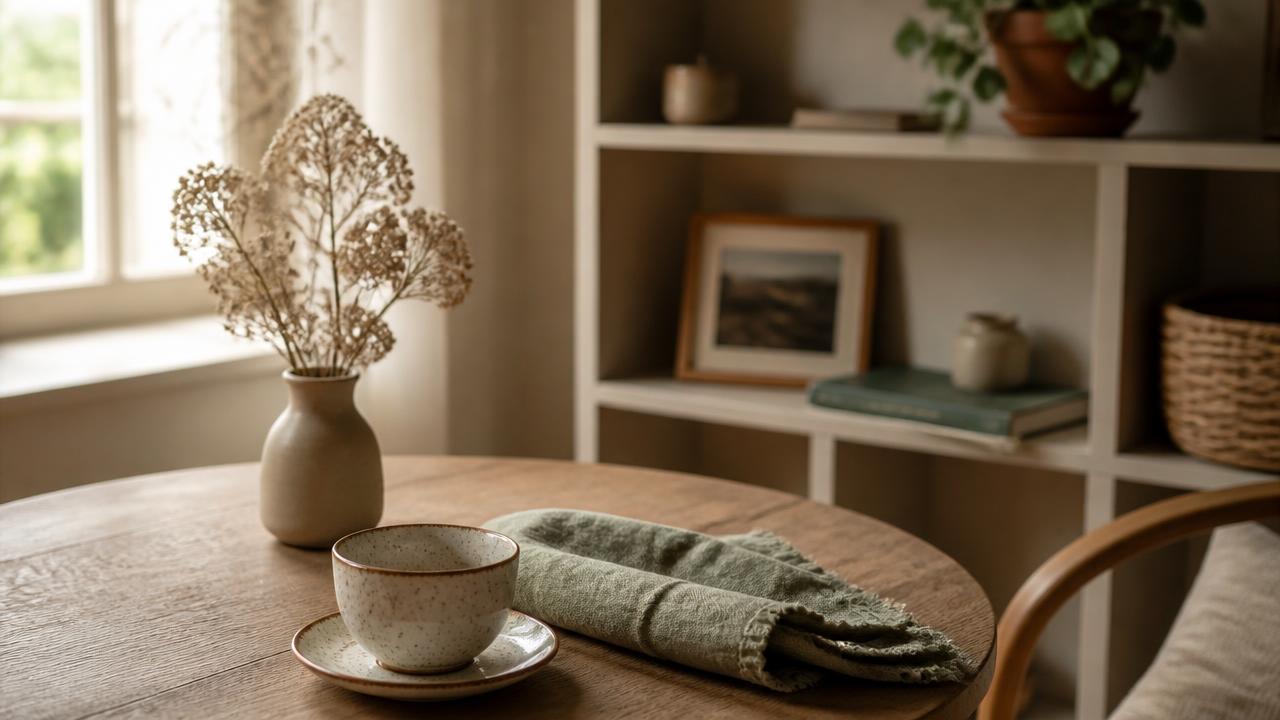
Our homes hold more than belongings. They hold memories, relationships, identities, losses, accomplishments, and chapters of our lives that may be difficult to revisit.
That is why decluttering is not always a simple matter of deciding what to keep and what to discard. During transitions such as divorce, bereavement, downsizing, relocation, or changes within a family, sorting through a home can bring complicated emotions to the surface.
At Haven and Heart, we believe this work should be approached with compassion, patience, and respect. Our mindful decluttering process is influenced by trauma-informed principles that help people feel safe, heard, and in control throughout their home transition.
From “What Is Wrong?” to “What Happened?”
Trauma-informed care shifts the question from “What is wrong with you?” to “What happened to you?”
In the context of decluttering, we might gently expand that question:
- What has this home held for you?
- What memories are connected to these belongings?
- What changes have brought you to this moment?
- What would help you feel supported as you move forward?
A person who struggles to let go is not necessarily being difficult, disorganized, or overly sentimental. An item may represent a loved one, a former version of life, a sense of security, or a memory that deserves to be acknowledged before a decision can be made.
Instead of judging the attachment, we make room for the story.
How Trauma-Informed Principles Shape Our Approach
The trauma-informed framework described by the Substance Abuse and Mental Health Services Administration, or SAMHSA, is built around safety, trust, collaboration, empowerment, peer support, and cultural awareness. These principles closely align with the way Haven and Heart approaches mindful decluttering and legacy preservation.
Safety
Emotional safety matters just as much as creating a physically comfortable space. We do not begin by demanding quick decisions or focusing on everything that needs to leave.
We begin by listening.
The process can move slowly, one room, one category, or even one meaningful object at a time. Clients are encouraged to pause whenever they need to. There is no shame, pressure, or expectation that every decision must be made in a single day.
Trust and Transparency
Inviting someone into your home and allowing them to handle personal belongings requires trust.
We explain the process clearly, respect established boundaries, and make decisions with our clients rather than for them. Nothing is removed, donated, relocated, or discarded without permission.
You remain informed and involved throughout the process.
Collaboration
Mindful decluttering is not something we do to someone’s home. It is something we do alongside the person who lives there.
Every client has different priorities. One person may want a calmer daily environment, while another may be preparing for a move or trying to preserve a family legacy. Our role is to offer structure and compassionate guidance while honoring the client’s pace, needs, and values.
When family members are involved, we can also help create a more respectful process for discussing belongings and shared memories.
Choice and Empowerment
Having control over the process is essential.
Clients decide what stays, what goes, what needs more time, and what should be preserved in another form. When a decision feels too difficult, an item can be placed in a “not yet” category and revisited later.
We may also explore alternatives to simply keeping or discarding an object. A meaningful belonging might be photographed, documented, gifted to someone special, incorporated into a Memory Box, or preserved through its story.
The goal is not to take choices away. It is to make those choices feel more manageable.
Respect for Personal History and Culture
Objects can hold cultural, spiritual, religious, family, and generational meaning. Their importance may not be immediately visible to someone outside that experience.
Haven and Heart approaches each home with curiosity rather than assumptions. We respect the traditions, relationships, identities, and histories reflected in the belongings we encounter.
The Four R’s in a Home Transition
The four R’s of a trauma-informed approach also offer a helpful framework for compassionate decluttering:
- Realize: Understand that life experiences can influence how a person relates to their home and belongings.
- Recognize: Notice when sorting is creating stress, grief, fear, fatigue, or emotional overwhelm.
- Respond: Adjust the pace and process to support the individual, including taking breaks, creating smaller goals, or beginning with less emotional categories.
- Resist re-traumatization: Avoid pressure, shame, forced decisions, surprise removals, or language that dismisses the meaning of someone’s belongings.
These practices help replace urgency with steadiness and judgment with understanding.
Preserving Memories Without Keeping Everything
A trauma-informed approach does not mean that every object must remain in the home. It means that the person and the story are honored as decisions are made.
Sometimes letting go becomes easier after a memory has been preserved. That might mean photographing an object, recording its history, passing it to another family member, or selecting a few representative pieces for a Memory Box.
Preserving the meaning can make it possible to release the physical item with greater peace.
You Do Not Have to Rush Your Story
There is no perfect timeline for moving through a home transition. Some decisions will feel surprisingly easy, while others may need time.
At Haven and Heart, mindful decluttering is not about creating a picture-perfect home or measuring success by the number of bags removed. It is about helping you create a home that supports the life you are living now—while treating the life you have already lived with tenderness and respect.
Letting go can be an act of love, but it should never feel like an act of force.
Haven and Heart provides compassionate home-transition guidance, mindful decluttering, and legacy-preservation support. Our services are not a substitute for professional mental health care, but we are committed to providing a respectful, choice-centered experience and can work alongside a client’s broader support system when appropriate.